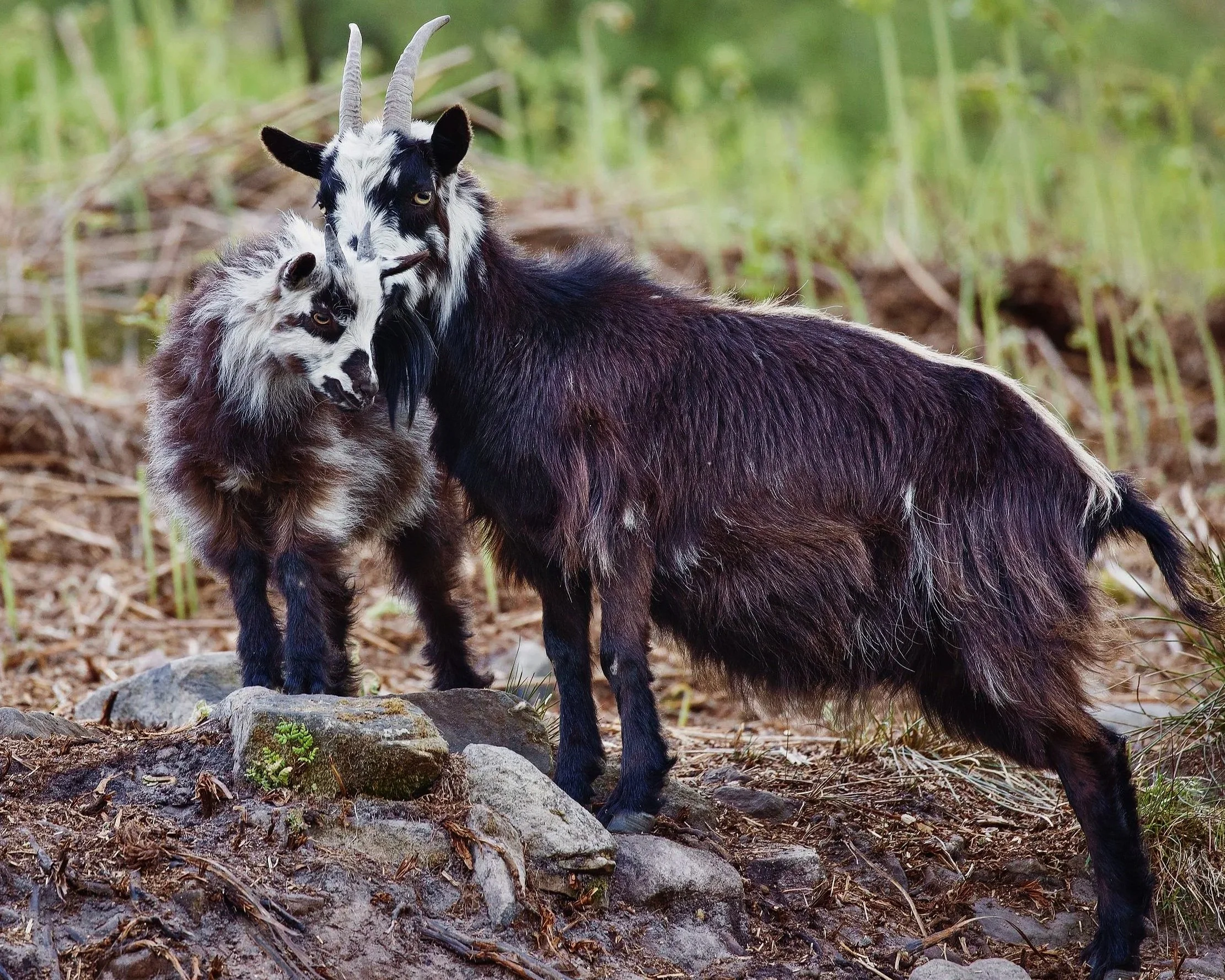
Photograph courtesy of Nicola Hood
The Wild Goat Conservation Trust (TWGCT) is pleased to support Protect the Wild in raising concerns over the management of wild goats on Oxygen Conservation's Blackburn and Hartsgarth Estate near Newcastleton. Recent survey work has revealed that wild goat numbers are significantly lower than previously estimated, raising important questions about the evidence underpinning current management decisions.
However, the issue extends far beyond population numbers. Effective conservation depends upon a clear understanding of ecological conditions on the ground. Management interventions should be supported by transparent evidence demonstrating both the scale of any ecological impacts and the need for the proposed response.
Claims of widespread overgrazing have featured prominently in discussions surrounding the goats. Yet field surveys undertaken by TWGCT present a different picture. Across extensive areas of open moorland, shrub development remains widespread and vigorous, suggesting that browsing pressure is not preventing the establishment and expansion of woody vegetation across the wider landscape.
These findings reinforce the need for comprehensive ecological assessment. Habitat condition, vegetation dynamics, biodiversity objectives and long-term ecosystem function should all be considered before management decisions are made. While “Herbivore Impact Assessment” can provide useful information, it should only form part of a broader ecological evaluation rather than be relied upon in isolation where it has been shown to distort results.
TWGCT therefore supports Protect the Wild's call for greater transparency, independent scrutiny of the available evidence and full consideration of alternative management approaches. Where genuine ecological issues are identified, a range of practical options exists, including protection of sensitive areas and other non-lethal measures tailored to local circumstances.
Britain's wild goats are an important part of our natural and cultural heritage. TWGCT believes that decisions affecting their future should be based on robust ecological evidence, open scientific scrutiny and demonstrated conservation need. Until important questions surrounding both habitat condition and population status have been properly addressed, a precautionary approach is the only responsible approach.